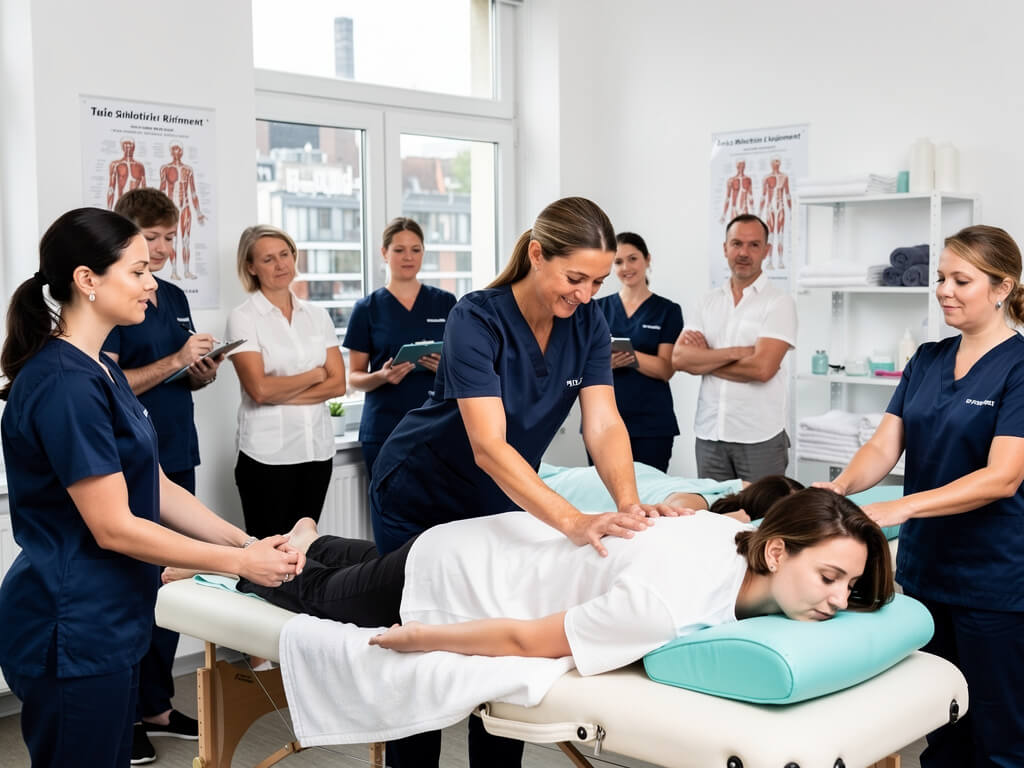
Your hands are shaking slightly as you prepare for massage number three. The client seems nice enough, but you’re second-guessing every technique. Did you use too much pressure? Not enough? Should you have asked more questions?
Welcome to the reality every new massage therapist faces. Those first 100 massages aren’t just about perfecting your technique — they’re about building something far more valuable: unshakeable client trust.
Here’s the truth most massage schools don’t tell you. Technical perfection comes with practice, but trust? That’s built through consistency, communication, and confidence. Even when you don’t feel confident yet.
Why Your First 100 Massages Matter More Than You Think
Those early sessions shape everything that follows. Each client interaction teaches you something new about reading body language, adjusting pressure, or handling unexpected situations. More importantly, they teach you about yourself as a therapist.
The massage therapists who thrive aren’t necessarily the most technically gifted from day one. They’re the ones who learn to build genuine connections with clients while steadily improving their skills.
Think about it this way: your 100th massage will be dramatically different from your first. But the client receiving that 100th massage should feel just as cared for as the client who took a chance on you at the beginning.
Building Confidence Through Preparation
Master Your Intake Process
Confidence starts before you even touch the client. A thorough, professional intake process sets the tone for everything that follows.
Ask specific questions about problem areas, previous massage experience, and pressure preferences. Listen actively to the answers. When clients feel heard from the start, they’re more likely to trust your judgment throughout the session.
Develop a consistent routine for this conversation. Having a framework reduces your anxiety and ensures you don’t forget important details when nerves kick in.
Create Your Pre-Session Ritual
Develop a personal routine that centres you before each client. Maybe it’s three deep breaths, checking your posture, or mentally reviewing the client’s needs.
This isn’t just about calming nerves. It’s about transitioning into your role as a professional massage therapist. Clients pick up on your energy. If you’re scattered, they’ll feel it.
Know Your Boundaries
New massage therapists often struggle with saying no or adjusting expectations. Practice phrases like “I’d like to check in about the pressure” or “Let me know if you need anything adjusted.”
Remember: asking for feedback isn’t a sign of inexperience. It’s professional best practice.
Communication: The Foundation of Trust
The Power of Check-Ins
Regular communication during the massage builds trust and improves outcomes. But there’s an art to it.
Too many check-ins disrupt relaxation. Too few leave clients wondering if you’re paying attention. Find your rhythm — usually every 10-15 minutes for pressure checks, plus any time you sense tension or discomfort.
Phrase your check-ins positively: “How’s this pressure working for you?” rather than “Is this okay?” The first invites feedback; the second sounds uncertain.
Reading Non-Verbal Cues
Clients don’t always speak up about discomfort. Learn to read their bodies:
- Muscle guarding or tensing up
- Changes in breathing patterns
- Facial expressions (when visible)
- Overall body language
When you notice these signs, address them directly but gently: “I’m noticing some tension here. Would you like me to adjust my approach?”
Post-Session Conversations
What you say after the massage matters enormously. This is when clients form lasting impressions about their experience.
Offer specific observations: “I noticed your shoulders were quite tight, especially on the right side. How are you feeling now?” This shows you were paying attention and provides valuable feedback.
Avoid overwhelming clients with too much information, but do share relevant insights that help them understand their bodies better.
Handling Challenging Situations
When Things Don’t Go As Planned
Your 23rd massage might be the one where you accidentally use too much pressure, or your 67th might involve a client with unexpected scar tissue you’re not sure how to handle.
These moments test your professionalism more than your technique. Stay calm, communicate openly, and adjust your approach. Clients respect honesty over false confidence.
If you encounter something outside your scope of practice, say so: “I want to make sure you get the best care possible. For this particular issue, I’d recommend consulting with a physiotherapist as well.”
Difficult Clients
Not every client will be easy to work with. Some are demanding, others are uncommunicative, and a few might make you uncomfortable.
Set clear boundaries from the beginning. If a client’s behaviour makes you uncomfortable, trust your instincts. You have the right to end a session if necessary.
Most “difficult” clients aren’t actually difficult — they’re just specific about their needs or nervous about the experience. Clear communication usually resolves most issues.
Building Your Reputation One Session at a Time
Consistency Is Everything
Clients return to therapists they can rely on. That means showing up on time, maintaining professional standards, and delivering a consistent quality of care.
Your 15th massage might not be as technically perfect as your 85th, but the client should receive the same level of attention and professionalism.
Going Beyond the Table
Small touches make big differences:
- Remembering client preferences from previous sessions
- Following up on issues they mentioned
- Maintaining a clean, welcoming space
- Being genuinely interested in their wellbeing
These details build loyalty faster than perfect technique.
Learning From Every Session
After each massage, take a moment to reflect. What went well? What could you improve? What did you learn about this client’s needs?
Keep brief notes (within privacy guidelines) about client preferences and any relevant observations. This information becomes invaluable for building long-term relationships.
The Compound Effect of Trust
Referrals Start Early
Surprisingly, some of your best referrals might come from those first 50 massages. Clients who take a chance on a new therapist often become your biggest advocates.
They’ve watched you grow and improve. They feel invested in your success. When they recommend you to friends, they’re not just vouching for your skills — they’re sharing their experience of being cared for by someone who genuinely listens.
Building Your Confidence Bank
Each successful session deposits confidence in your professional bank account. By massage 100, you’ll have handled dozens of different body types, preferences, and situations.
That experience becomes the foundation for handling whatever comes next. You’ll stop second-guessing every decision and start trusting your professional judgment.
Your Path Forward
Those first 100 massages will challenge you, teach you, and ultimately transform you into the massage therapist you’re meant to become. Embrace the learning process. Every experienced therapist went through exactly what you’re experiencing now.
The difference between therapists who thrive and those who struggle isn’t talent — it’s persistence, professionalism, and genuine care for their clients.
Your journey as a new massage therapist starts with proper training. At English Massage Training, we prepare you not just for those first 100 massages, but for a thriving career in massage therapy. Our graduates don’t just get certificates — they get the confidence, skills, and business knowledge to build lasting client relationships from day one.
Ready to start building your massage therapy career the right way? Learn more about our English-language training programmes and discover how we can help you become the confident, skilled therapist Berlin needs.
This content is for educational purposes only and should not be considered medical advice. Always consult with healthcare providers for medical concerns.